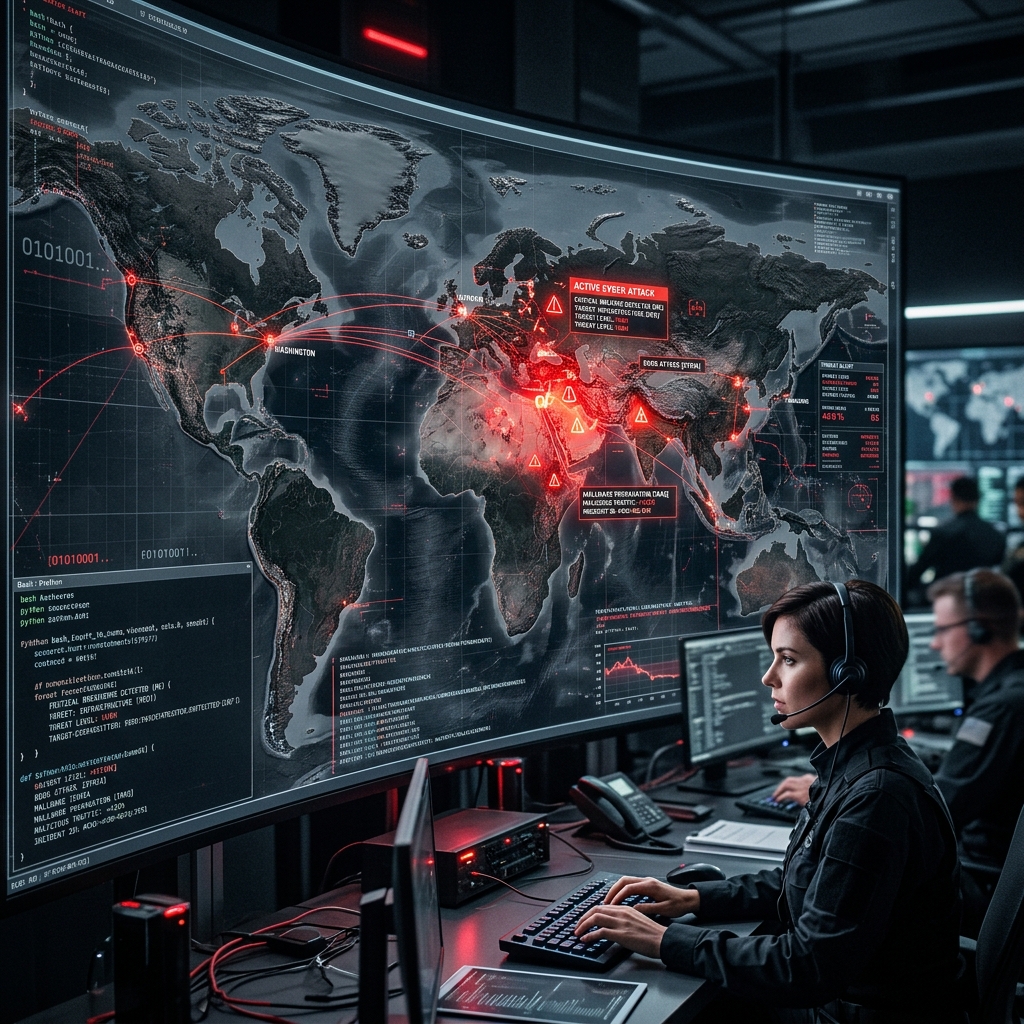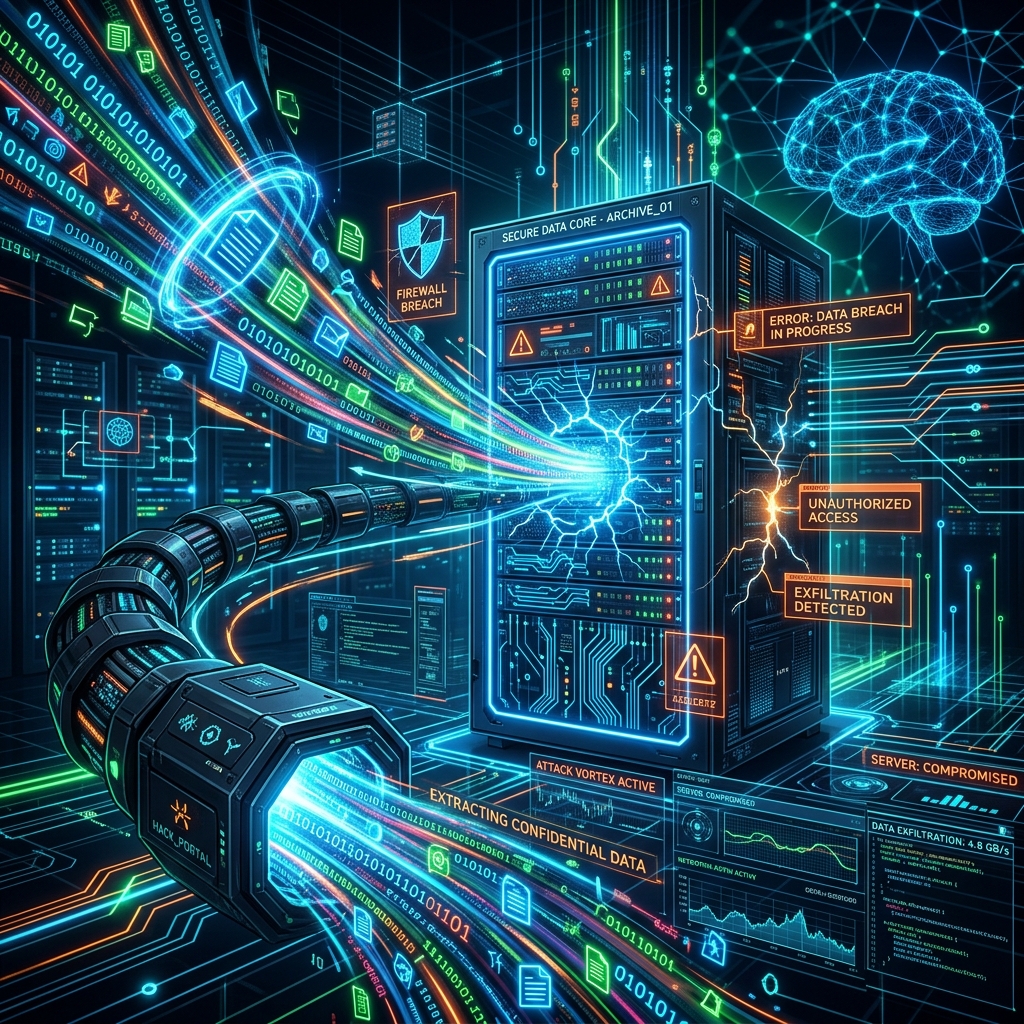
The cyber warfare landscape in Ukraine has just taken a qualitative leap in speed and technical brutality. This week in April 2026, security researchers and CERT-UA identified a drastic shift in the behavior of groups like UAC-0247: The evolution of cyber warfare has reached a tipping point with the emergence of the "Steal & Go" model, spearheaded by the AgingFly malware group. Unlike traditional Advanced Persistent Threats (APTs) that prioritize long-term stealth and lateral movement, AgingFly operates on a high-speed, high-impact philosophy: exfiltrate critical data within a 15-minute window and self-terminate.
Technical Analysis: The 15-Minute Breach Lifecycle
Our analysis of recent AgingFly samples reveals a highly optimized execution flow designed to bypass traditional EDR (Endpoint Detection and Response) heuristics that rely on behavioral patterns over time.
- Initial Access via AI-Driven Phishing: The payload is often delivered through ultra-personalized phishing emails where LLMs were used to replicate the tone and context of internal corporate communications.
- Memory-Resident Execution: AgingFly utilizes advanced Reflective DLL Injection. The core payload never touches the disk in its unencrypted form, residing purely in the process memory of legitimate Windows services (like
svchost.exe). - Rapid Triage & Exfiltration: Upon execution, the malware performs an automated triage of the filesystem, prioritizing
.docx,.pdf, and.kdbx(KeePass) files. It uses a custom implementation of the Zstandard (zstd) compression algorithm for speed, streaming data to a decentralized C2 (Command & Control) infrastructure.
Detection Logic (YARA Rule)
To assist security teams in identifying this threat, we have developed a signature based on the unique memory strings and mutex patterns used by the current variant:
rule AgingFly_StealAndGo_Memory {
    meta:
        description = "Detects AgingFly malware reflective injection pattern"
        author = "Fymax Sentinel Research"
        date = "2026-04-19"

    strings:
        $hex_pattern = { 4D 5A 45 52 4F 00 00 00 } // Custom PE header tweak
        $mutex_name = "Global\\Sentin3l_Exfil_Mutex_2026"
        $string1 = "zstd_stream_flush_error"
        $string2 = "api-ms-win-core-memory-l1-1-0.dll"

    condition:
        uint16(0) == 0x5A4D and 2 of ($string*) or $mutex_name or $hex_pattern
}
Mitigation Strategies
Defending against "Steal & Go" requires a shift from detection-at-rest to real-time memory monitoring:
- Zero-Trust Memory Access: Implement policies that restrict the use of
VirtualAllocExandCreateRemoteThreadacross non-system processes. - Network Egress Filtering: Monitor for sudden bursts of encrypted traffic to unknown IP ranges, even if they only last for a few minutes.
- Process Isolation: Use hardware-enforced isolation (like Intel VT-x) for critical document processing applications to prevent memory scraping.
The AgingFly group represents a new breed of attackers who understand that speed is the ultimate weapon against modern security stacks.
How Companies Must Adapt
The lesson from Ukraine in 2026 is clear: reaction time is the only metric that matters.
- Dynamic Micro-segmentation: Isolate networks in real-time as soon as an exfiltration anomaly is detected.
- Passwordless Authentication: Move to FIDO2 keys, as AgingFly is an expert at stealing saved passwords.
- Exfiltration Monitoring: Focus more on data leaving the network than on incoming threats.
At Fymax Sentinel, we monitor these global trends to ensure our clients' infrastructures are prepared not for yesterday's attack, but for the speed of tomorrow's attack.
Is your company ready for an attack that lasts only 15 minutes? Learn about our audit and active defense solutions